YourPlovdivTrips
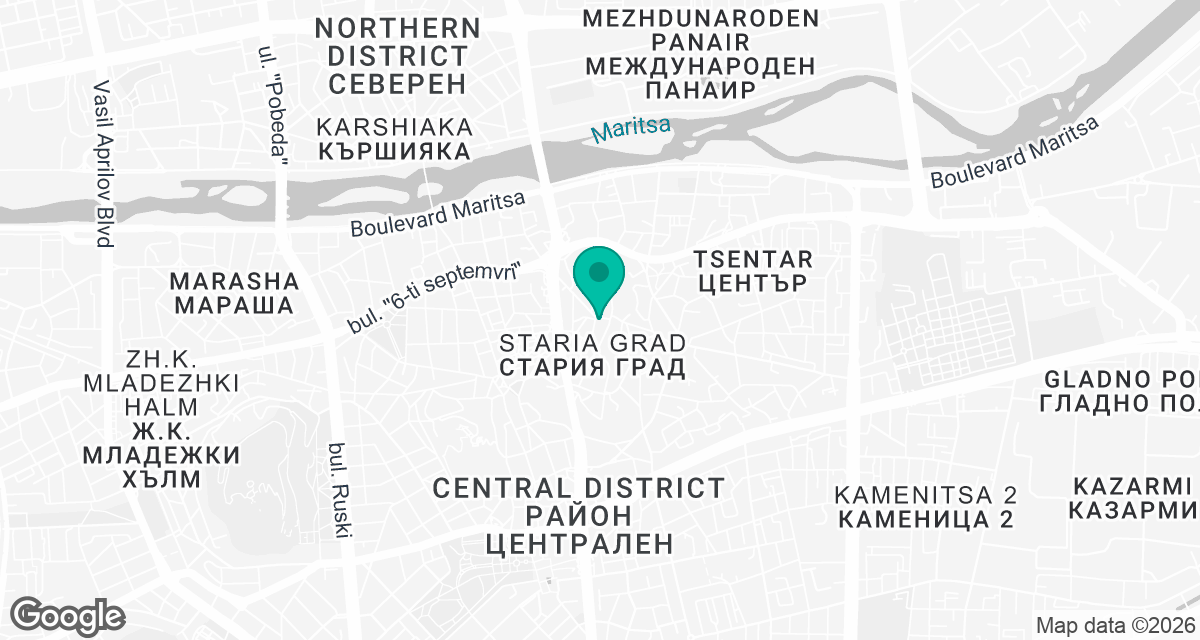
Your Plovdiv Trips est un service de voyage basé à Plovdiv qui propose des visites privées, des excursions d'une journée et des transferts – parfait pour les voyageurs souhaitant explorer Plovdiv et la région confortablement et à prix abordable. Nous sommes situés dans la vieille ville de Plovdiv et nous opérons sur réservation préalable par téléphone/WhatsApp ou e-mail.
Privilèges Membres Tourist
Avantages partenaires directs — débloqués avec votre Tourist ID.
Séjour – Royaume secret de Mumdzhidam dans les montagnes des Rhodopes
Un voyage magique dans le Royaume de Mumdzhidam conçu pour les vrais amateurs de nature sauvage. Vous explorerez les coins secrets authentiques des montagnes des Rhodopes et vous pourrez également rencontrer Tandjher - la seule personne qui habite encore le royaume à ce jour - le roi de Mumdzhidam. Nous vous prendrons à l'adresse de votre choix à Plovdiv à 9h00. Après une heure et quarante minutes de trajet en voiture pittoresque, nous arrivons dans un petit village des montagnes des Rhodopes où nous stationnons la voiture. Nous marchons le long d'un sentier de montagne balisé jusqu'au Royaume de Mumdzhidam. La randonnée dure deux heures dans un sens, le terrain est confortable. À Mumdzhidam, entouré par des vues panoramiques incroyables, nous ferons un pique-nique (nous fournirons une collation légère pour vous). Nous revenons de Mumdzhidam à la voiture et continuons notre voyage vers le village de Sabaziy au pied de la colline thrace de Belintash. Belintash est un sanctuaire mystique thrace caché au cœur des montagnes des Rhodopes. « La Pierre du Savoir ». Selon la croyance populaire, c'est ce que signifie « belintash ». Cependant, lorsque vous visiterez le sanctuaire thrace de Belintash, vous découvrirez quelques faits avérés mais beaucoup d'événements mystérieux dont on parle. Nous reprenons la marche pendant 20 minutes supplémentaires jusqu'à la voiture et nous conduisons environ 10 minutes pour arriver au village de Sabaziy. Nous stationnons la voiture au pied de la colline, nous marchons le long d'un sentier de montagne balisé de 300 mètres. Une fois arrivés, nous serons accueillis par Stephan - le seul habitant du petit village de montagne de Sabaziy. Nous vérifions
La grotte de l'utérus et les mystères thraces perdus
Le complexe du sanctuaire près du village de Nebeska est un ensemble composé d'incroyables formations rocheuses, érodées au fil des millions d'années, isolées par des niches trapézoïdales et des cavités rocheuses. En observant les roches, nous allons découvrir des champignons, des figures d'animaux et des visages humains dans la pierre. Cet endroit regorge de légendes qui envoûtent chaque visiteur avec son mysticisme. Encore aujourd'hui, les habitants parlent de la grande puissance des rituels secrets flottant dans l'air. Les grands Thraces venaient ici à cheval, ils passaient la nuit dans la Grotte de l'Utérus et le matin les jeunes hommes creusaient une cavité dans les rochers. Ils y plaçaient des offrandes (du pain ou des herbes) comme moyen d'adorer le mariage sacré entre le Soleil et la Déesse Mère. Ils croyaient que l'énergie de Dieu s'infiltrerait à travers les cavités. Ce magnifique mégalithe thrace - La Grotte de l'Utérus a été découvert en 2001. Le temple est formé comme l'ouverture d'un vagin. Il mène à une grotte d'environ 22 mètres. Il a également été façonné à la main pour devenir un lieu de conception constamment lavé par l'eau qui s'infiltre à travers les murs. À l'extrémité profonde de la grotte, un autel sculpté symbolise l'utérus lui-même. A midi lorsque le soleil approche son point culminant dans le ciel, sa lumière pénètre dans la grotte à travers une ouverture spéciale dans le plafond et projette sur le sol une représentation parfaitement reconnaissable d'un phallus. Au fur et à mesure que le soleil avance, et que la lumière traverse l'intérieur de la grotte, le phallus grandit.
Bouzloudja
Faites-vous plaisir et réservez ce voyage incroyable vers l'OVNI de Bulgarie – le Monument de Bouzloudja –, classé parmi les plus beaux lieux abandonnés au monde ! Initialement construit en tant que salle d'assemblée du Parti communiste bulgare en 1974, cette structure ressemblant à un OVNI est abandonnée depuis des décennies. Chaque année, elle attire des centaines de photographes et de personnes en quête d'aventure. Le processus de construction a commencé en 1974 et a duré sept ans. Environ 6 000 personnes ont travaillé sur le site jusqu'à ce que le monument se dresse comme une structure et plus de 15 000 mètres cubes de roche aient été détruits dans le processus. Le coût s'est élevé à plus de 35 millions de dollars américains. Après 1989, avec la fin de l'ère communiste en Bulgarie, le monument a été abandonné et se désintègre lentement depuis lors. En route pour Bouzloudja, nous traverserons certains des sites les plus intéressants de Bulgarie tels que Kazanlak, la Vallée des Roses et celle des rois thraces, le monument de Chifka et l'église commémorative de Shifka où nous pouvons nous arrêter si vous le souhaitez. Il est fortement recommandé de porter des vêtements et des chaussures confortables ainsi qu'une veste et des vêtements chauds, quelle que soit la saison, car le monument de Bouzloudja est situé en montagne et peut être très venteux. Veuillez noter qu'entrer à l'intérieur du monument est entièrement sous votre responsabilité. Le bâtiment n'est plus géré par le gouvernement bulgare ou par qui que ce soit en général, et il est fermé au public car il est considéré comme dangereux d'y entrer. Vous partez à 9h00. Après 1 heure
Monastère d’Arapov et la cascade de Slivodol (Slivodolsko padalo)
Le monastère d'Arapovo « Saint Nédélia » est situé à 28 km au nord-est de Plovdiv, près du village de Zlatovrah (anciennement appelé Arapovo). Unique en son genre, le monastère fut construit pendant la domination ottomane sur la Bulgarie. Selon la légende, l'eau de la source sacrée du monastère aurait guéri la bien-aimée d'Arap Bey, un dirigeant turc local. Arap Bey était si reconnaissant qu'il fit don d'un terrain et autorisa la construction d'un monastère autour de la source. L'église du monastère fut construite en 1859, comme on peut le voir sur une inscription au-dessus de sa porte ouest. Six colonnes de pierre soutiennent la coupole, tandis que le sol est recouvert de carreaux de marbre. L'iconostase de l'autel et les quatre petites icônes aux colonnes ont été peintes par le peintre le plus célèbre de la période de la Renaissance bulgare, Georgi Ganchov - Zografina. Le bâtiment le plus original du complexe est la tour d'Angel Voïvoda - l'un des rebelles les plus célèbres contre les dirigeants turcs. Selon une légende, il aurait personnellement ordonné la construction de la tour. La tour est rectangulaire et avait servi à la fois de tour de guet et de bâtiment résidentiel. Les deux premiers étages sont en pierre et possèdent des fenêtres étroites qui servaient de meurtrières. Le troisième étage représente la partie résidentielle proprement dite et possède une structure en bois avec des travées fortement saillantes. L'ancienne source sacrée se trouve derrière les murs du monastère, non loin de l'entrée nord.
Vin et repas locaux des montagnes de Rodope
Nous vous viendrons chercher à l’adresse de votre choix (à Plovdiv). Nous partirons pour la montagne des Rhodopes ; le trajet dure environ 55 minutes. Une fois arrivés au pied du sanctuaire thrace de Belintash, nous marcherons pendant environ 20 minutes sur un sentier forestier jusqu’à ce que nous arrivions à la formation rocheuse qui est Belintash – La Pierre de la Connaissance, d’où vous pourrez profiter d’une vue spectaculaire sur la montagne. Ensuite, nous descendrons par un chemin secret et après une randonnée de 15 minutes, cela nous mènera à quelques cabanes traditionnelles bulgares où nous dégusterons un verre de vin local (rouge ou blanc) et goûterons à un repas traditionnel bulgare. Cela prendra environ 50 minutes. Puis, nous ramènerons la voiture et vous raccompagnerons. Nous repartirons pour Plovdiv. Belintash est un sanctuaire mystérieux thrace caché au cœur profond des montagnes des Rhodopes. « La Pierre de la Connaissance ». Selon la croyance populaire, c’est ce que signifie Belintash. Cependant, si vous visitez le sanctuaire thrace de Belintash, situé à 30 km d’Asenovgrad dans les Rhodopes, vous découvrirez peu de faits avérés mais beaucoup de rumeurs d’événements mystérieux. Les légendes locales se multiplient si rapidement que tout germe de vérité qui aurait pu exister s’est perdu sous des couches de fiction. Sur la plate-forme supérieure de l’échelle sont gravés des trous ronds, des rigoles, des niches et des marches. Certaines personnes pensent qu’il s’agit d’une carte du ciel. La longueur du site rocheux est d’environ 300 mètres avec une altitude de 1225 m. Malgré les nombreuses théories, tous les chercheurs conviennent que Belintash était
Krastova Gora et le rocher de Karadzhov
Krastova Gora est l'un des plus grands centres chrétiens de Bulgarie, qui attire un grand nombre de pèlerins. Le lieu est situé dans les montagnes du Moyen-Rhodope, à 60 km de Plovdiv. Son altitude est de 1 545 mètres. Le complexe est situé sur une prairie au milieu d'une belle forêt. La raison pour laquelle Krastova Gora attire tant de pèlerins de tout le pays est la légende selon laquelle un morceau de la Croix du Christ y serait enterré. De nombreuses légendes parlent de ce lieu et toutes sont liées à la Croix du Christ et à la merveille de la guérison. L'église « Protection de Sainte Vierge Marie » qui a été achevée en 1995 est située au début du complexe de chapelles. Il y a une source dans la région, qui possède également un pouvoir curatif selon la légende. La nature autour du complexe chrétien est très belle, et la région attire les amateurs de nature et les personnes qui cherchent un lieu paisible pour se détendre et se reposer. Le bloc rocheux de Karadzhov est une formation rocheuse remarquable située près du village de Mostovo dans les montagnes du Rhodope. La formation est constituée de deux piliers de pierre qui s'élèvent vers des plateaux avec un pic culminant à 1 448 mètres de haut, et dont les parois sont si abruptes et étroites qu'elles forment une fissure profonde. Dans cette fissure repose une pierre géante, témoignage des forces massives nécessaires pour l'y loger. Cette pierre est appelée le Bloc de Karadzhov. Depuis l'Antiquité, cette pierre est considérée comme quelque chose d'extraordinaire - les anciens Thraces ont érigé un sanctuaire sur le site pour honorer leurs morts... Mais quoi que
Les magnifiques gorges de Trigrad et le pont qui les enjambe
Le matin, nous prenons la direction de Plovdiv vers les Ponts Merveilleux situés à 1 450 mètres d'altitude au cœur des magnifiques montagnes des Rhodopes. Ce phénomène naturel unique se compose de deux ponts rocheux (hauteur de 45 m) sur une petite rivière. Les ponts en marbre ont été formés par l'activité érosive de la rivière autrefois aux eaux hautes. Ces ponts exceptionnels figurent également sur la liste des 100 sites touristiques nationaux en Bulgarie. La gorge de Trigrad est un défilé de 7 kilomètres au nord du village de Trigrad, sous des falaises de marbre imposantes creusées pendant des millions d'années par la rivière de Trigrad. La gorge a été déclarée réserve protégée en 1963. Par endroits, les falaises sont espacées d'environ 300 mètres, mais dans une partie considérable de la gorge, sur environ 2 à 3 km, elles ne sont séparées que par environ 100 mètres. Du côté ouest de la gorge, les falaises s'élèvent à environ 180 mètres, tandis qu'à l'est, elles atteignent 300 à 350 mètres de haut. Ces dimensions gigantesques placent la gorge au troisième rang parmi toutes les formations géologiques de ce type en Bulgarie. La route menant à Trigrad serpente le long de la rivière qui jaillit parfois des rochers. La rivière de Trigrad disparaît dans la terre à l'entrée de la grotte de la Gorge du Diable, pour réapparaître quelque 530 mètres plus bas dans une autre grotte. La grotte de la Gorge du Diable est une destination touristique prisée et l'une des grottes aménagées les plus impressionnantes du pays, en partie grâce à sa gigantesque cascade alimentée par la rivière - une chute de 42 mètres. Vous partez à 9h00. Après 1 heure et 20 minutes, vous arrivez aux Ponts Merveilleux. Vous explosez
Temple thrace de Starosel et station thermale d'Hissar
En août 2000, une découverte sensationnelle eut lieu près du village de Starosel, dans le centre de la Bulgarie. Des archéologues ont découvert un énorme temple et tombeau d'un dirigeant thrace qui serait peut-être Sitalkès Ier, premier roi d'un empire thrace uni. Le temple de Starosel est le plus grand jamais découvert à ce jour datant des IVe et Ve siècles avant J.-C. Ce site impressionnant est également connu sous le nom de complexe cultuel thrace de Starosel car plusieurs tombes furent trouvées autour du temple principal. Lors de cette excursion, nous visiterons tout d'abord le temple situé près de Starosel puis nous irons à Khisar (population : habitants), petite ville balnéaire célèbre pour ses sources thermales minérales chaudes situées en périphérie de la chaîne montagneuse de Sredna Gora à 346 mètres au dessus du niveau de la mer ; elle se vante d'avoir un climat très doux ainsi que plus d'une douzaine de sources minérales, faisant d'elle les thermes préférés de nombreux touristes bulgares comme étrangers. Khisar fait partie des trois stations thermales internationales de Bulgarie réputée aussi bien pour ses vestiges romains visibles partout - bâtiments publics, petit amphithéâtre, casernements de garnison romaine, fondations de quelques unes des églises les plus anciennes de Bulgarie mais encore la meilleure fortification romaine préservée en Bulgarie. La porte sud connue sous le nom « Les Chameaux » parce qu'elle était cassée au milieu ressemblant à deux chameaux face à face fut partiellement restaurée début XXème siècle. À Khisar, vous pourrez faire une agréable promenade parmi les parcs verdoyants de la ville avec leurs sources thermales minérales, fontaines et ruines romaines.
Église rouge de Pérouchittsa
L'église rouge près de Pérouchtitsa (à 20 km de Plovdiv) est l'un des rares exemples d'architecture byzantine chrétienne primitive qui s'est bien conservée. Il est fascinant de voir en réalité les vestiges de ce monument religieux dont la partie nord-ouest a été préservée jusqu'à une hauteur de 14 m. L'église a été construite à la fin du IVe siècle et aurait servi alors de martyrion (lieu où sont conservées les reliques d'un saint). Plus tard, au VIe siècle, le bâtiment fut transformé en basilique ; une chapelle y fut ajoutée côté sud et un baptistère côté nord. Dans le baptistère, il reste encore visible une piscine (petite piscine pour le rite baptismal) en forme de croix arrondie. Probablement au VIIe siècle, pendant les invasions des Kouthehs et des Petschenegs, le bâtiment subit de graves dommages. Aux XIe - XIIe siècles, le bâtiment lui-même ainsi que ses fresques furent rénovés ; une nécropole fut bâtie au nord-ouest autour de l'église, un portique avec colonnede fut ajouté sur le côté ouest. Ses marches sont toujours visibles aujourd'hui. Toute la construction était faite de briques rouges (socles), jointes ensemble par un mortier rose, d'où vient son nom. Les fresques, dont quelques fragments peuvent être vus aujourd'hui sur le mur gauche et sur les arcs des passages, datent de cette restauration aux XIe - XIIe siècles. À la même époque, le sol et les parties basses des murs ont été recouverts de mosaïques faites de petits morceaux de marbre.
Mariage de pierre à Perperikon et Tatul
Le complexe archéologique médiéval de Perperikon est l'une des plus anciennes structures mégalithiques monumentales entièrement taillées dans la roche. Il est situé dans les montagnes du Répide oriental, à 20 km au nord-est de la ville de Khadjite et à 97 km de Plovdiv. La cité rupestre se dresse sur un sommet de falaise à une hauteur de 470 mètres. C'est l'une des destinations touristiques les plus populaires en Bulgarie. L'activité religieuse au sommet de la falaise a commencé au Ve siècle avant J.-C. Au cours du dernier millénaire de l'ère ancienne, les structures rocheuses ont grandi et sont devenues une ville avec des murs fortifiés, des palais et des faubourgs. La ville était probablement une résidence royale pour la tribu thrace des Bessi. Par la suite, les Romains ont apporté leur luxe et leur raffinement à Perperikon, et les Goths ont détruit et brûlé Perperikon en 378 après J.-C. Au début du Ve siècle après J.-C., la ville rupestre est devenue un centre épiscopal après que les habitants des montagnes du Répide aient accepté le christianisme. À la fin du XIVe siècle, les Turcs ottomans ont conquis et détruit la forteresse. Aujourd'hui, l'ancienne gloire de Perperikon renaît. La ville sainte est unique en termes d'aspect archéologique, historique, environnemental et multireligieux - c'est l'une des merveilles du monde. Le sanctuaire thrace près du village de Tatoul est l'un des monuments mégalithiques les plus imposants découverts sur le territoire de la Bulgarie. Le sanctuaire est une structure rocheuse massive dont le sommet est une pyramide tronquée. Il remonte à la fin du Ve et au début du IVe siècle avant J.-C. La pierre p
Monastère de Bachkovo et forteresse d’Assen
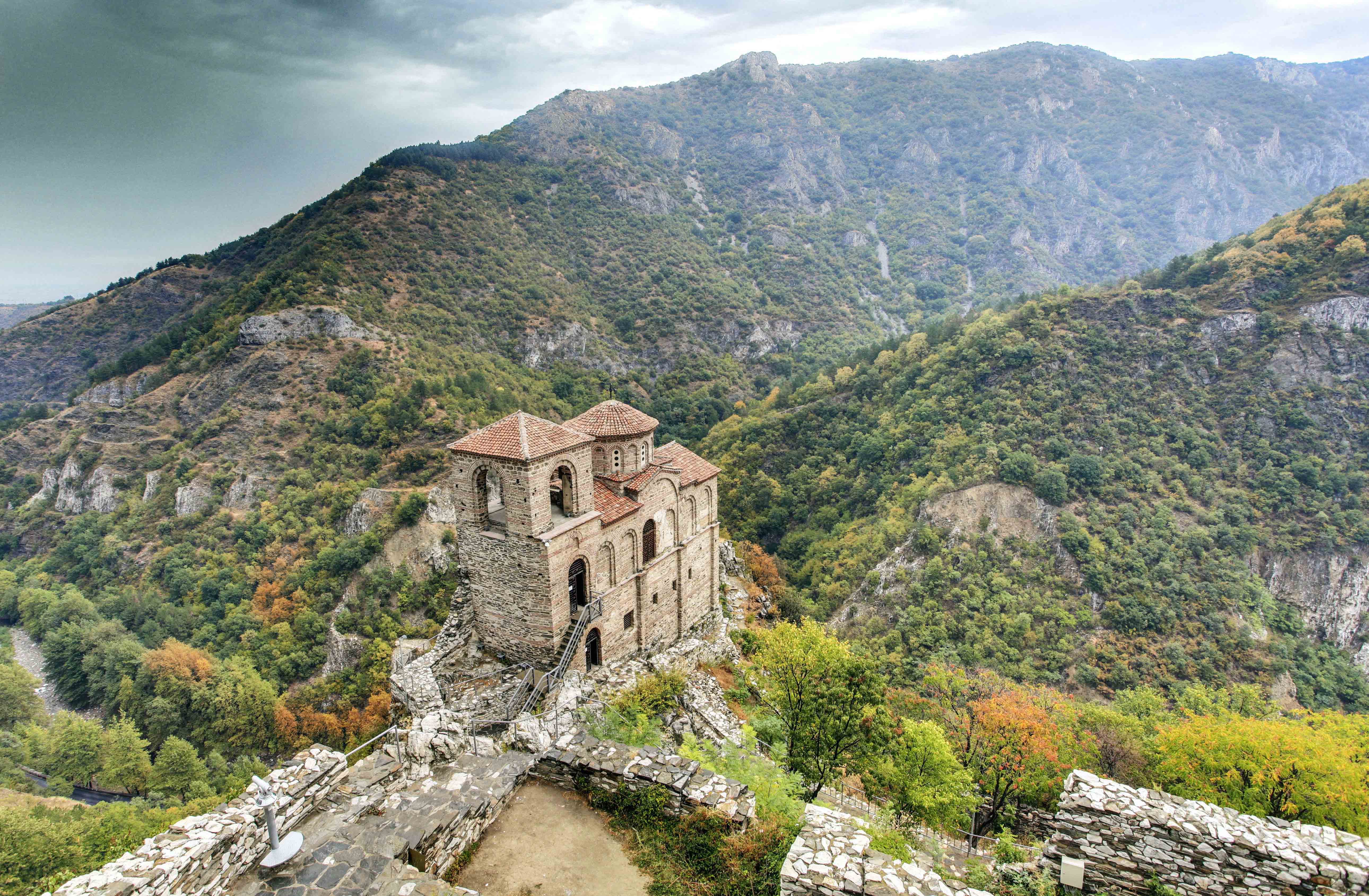
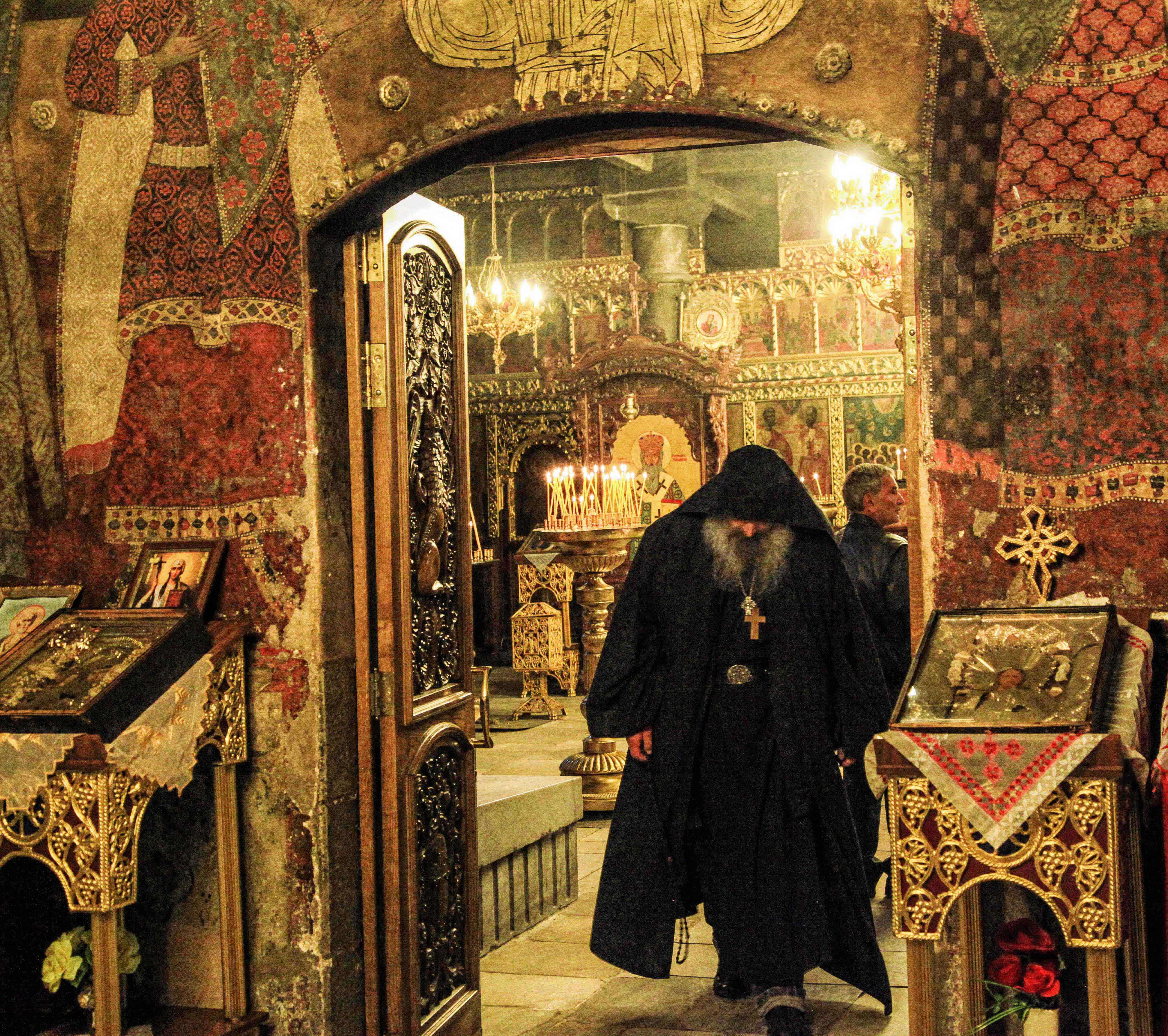
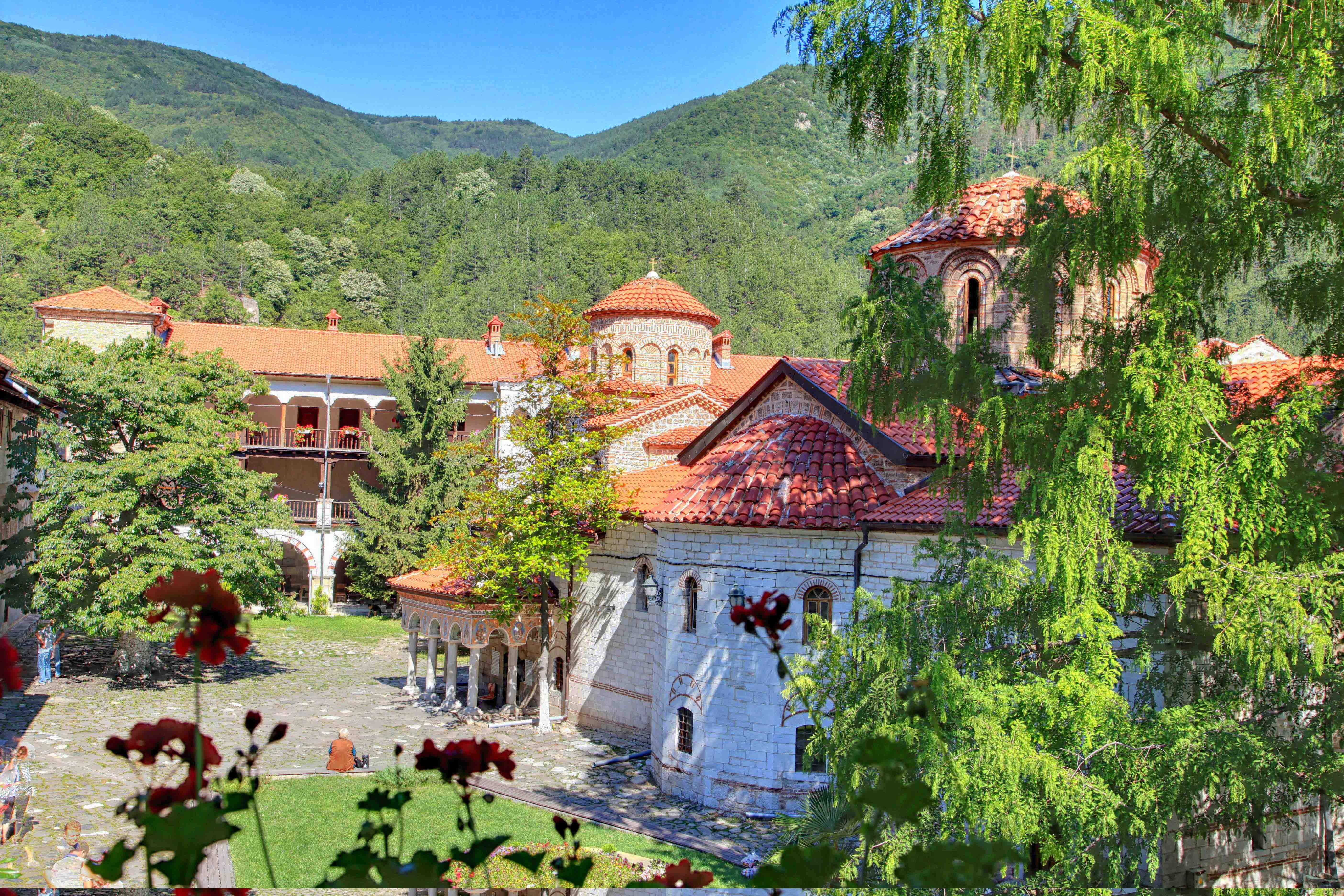
De Plovdiv, nous prenons la direction des montagnes des Rhodopes en passant par la jolie ville d'Assenovgrad. À proximité, nous verrons les remarquables vestiges de la forteresse du roi Ivan Assen - un sage souverain du deuxième royaume bulgare. Là, nous trouverons une ancienne église datant du XIIIe siècle, peinte avec quelques pièces authentiques d'iconographie ainsi que l'inscription taillée dans la pierre par le roi Ivan Assen. Ensuite, nous pénétrons plus profondément dans les montagnes des Rhodopes en direction du pittoresque monastère de Bachkovo. Le cloître est le deuxième plus grand de Bulgarie, fondé en 1083 et l'un des lieux les plus sacrés de l'histoire bulgare. À l'intérieur du monastère, nous visiterons l'église principale de la Vierge Marie construite en 1604 où est conservée une précieuse icône de la Vierge Marie datant de 1310. Selon la légende, cette remarquable icône est miraculeuse. Attachée à l'église de la Vierge Marie, nous verrons l'église des Archangeliers datant du XIIe siècle. Le réfectoire du monastère est un autre joyau du complexe qui a préservé des fresques colorées de 1643. Avec la fresque du Jugement dernier, nous assisterons aux images de certains saints moines, philosophes anciens et écrivains comme Socrate, Aristote, Diogène et bien d'autres. La fresque panoramique sur le mur extérieur du réfectoire représente une vue aérienne du monastère avec tous les bâtiments environnants à l'époque de la peinture - 1846. Dans la deuxième cour du monastère, nous visiterons l'église Saint Nikola. Vous commencez à 9h00. Après 45 minutes de route, vous vous arrêtez devant les portes.
À propos de YourPlovdivTrips
Ceci est la page officielle de YourPlovdivTrips sur Tourist.com.
YourPlovdivTrips a créé ce profil et le gère directement. Les informations publiées ici proviennent de l’établissement lui-même : description, offres, réductions, activités et coordonnées.
YourPlovdivTrips est un prestataire de services local et intervient à Plovdiv — Bulgaria. Sur Tourist.com, l’établissement est classé dans Services, Excursions & Activités et Transport & Mobilité.
Débloquez les privilèges VIP dans ce lieu
Obtenez votre Tourist ID pour accéder aux avantages exclusifs et aux tarifs directs.Statut
Coordonnées
Horaires d'ouverture
Mon-Sun 9:00 AM - 6:00 PM
Contacter en ligne

'/%3e%3cpath%20fill-rule='evenodd'%20clip-rule='evenodd'%20d='M9.30883%207.34257C9.10368%206.8889%208.88781%206.87971%208.69293%206.87185L8.16829%206.86548C7.98576%206.86548%207.6892%206.93366%207.43849%207.20637C7.18778%207.47908%206.48047%208.13818%206.48047%209.47875C6.48047%2010.8193%207.46127%2012.1147%207.59794%2012.2967C7.73461%2012.4787%209.49136%2015.3174%2012.2734%2016.4096C14.5853%2017.3172%2015.0558%2017.1367%2015.5578%2017.0914C16.0598%2017.046%2017.1771%2016.4323%2017.4051%2015.796C17.633%2015.1597%2017.6331%2014.6146%2017.5648%2014.5006C17.4965%2014.3866%2017.3139%2014.3189%2017.04%2014.1826C16.7661%2014.0462%2015.4207%2013.3871%2015.1698%2013.2961C14.919%2013.2051%2014.7366%2013.1599%2014.5539%2013.4326C14.3712%2013.7053%2013.8473%2014.3188%2013.6876%2014.5006C13.5279%2014.6825%2013.3684%2014.7053%2013.0945%2014.5691C12.8205%2014.4329%2011.9392%2014.1451%2010.8935%2013.2168C10.0799%2012.4946%209.53066%2011.6026%209.37077%2011.3301C9.21087%2011.0575%209.35379%2010.9099%209.49106%2010.7741C9.61388%2010.652%209.76469%2010.4559%209.90181%2010.2969C10.0389%2010.1379%2010.084%2010.0242%2010.1751%209.84261C10.2663%209.66105%2010.2209%209.50158%2010.1524%209.36537C10.0839%209.22916%209.5521%207.88147%209.30883%207.34257Z'%20fill='white'/%3e%3cdefs%3e%3clinearGradient%20id='paint0_linear_90_18145'%20x1='11.8605'%20y1='3.93043'%20x2='11.952'%20y2='19.4223'%20gradientUnits='userSpaceOnUse'%3e%3cstop%20stop-color='%2357D163'/%3e%3cstop%20offset='1'%20stop-color='%2323B33A'/%3e%3c/linearGradient%3e%3c/defs%3e%3c/svg%3e)

'/%3e%3cpath%20d='M6.99419%2016.96L10.4213%2011.5233C10.5502%2011.3186%2010.7202%2011.1429%2010.9204%2011.0072C11.1207%2010.8715%2011.3469%2010.7788%2011.5848%2010.7349C11.8227%2010.6911%2012.0671%2010.697%2012.3026%2010.7524C12.5381%2010.8078%2012.7595%2010.9114%2012.9529%2011.0566L15.68%2013.1012C15.8018%2013.1924%2015.9499%2013.2414%2016.102%2013.2409C16.2541%2013.2403%2016.4018%2013.1903%2016.5229%2013.0983L20.2038%2010.3041C20.6938%209.9308%2021.3354%2010.52%2021.0088%2011.042L17.5788%2016.4758C17.4498%2016.6805%2017.2799%2016.8562%2017.0796%2016.9919C16.8794%2017.1276%2016.6531%2017.2203%2016.4152%2017.2642C16.1773%2017.308%2015.9329%2017.3021%2015.6975%2017.2467C15.462%2017.1913%2015.2405%2017.0877%2015.0471%2016.9425L12.32%2014.8979C12.1983%2014.8067%2012.0502%2014.7577%2011.8981%2014.7582C11.746%2014.7588%2011.5982%2014.8088%2011.4771%2014.9008L7.79627%2017.695C7.30627%2018.0683%206.6646%2017.482%206.99419%2016.96Z'%20fill='white'/%3e%3cdefs%3e%3cradialGradient%20id='paint0_radial_191_431'%20cx='0'%20cy='0'%20r='1'%20gradientUnits='userSpaceOnUse'%20gradientTransform='translate(6.24183%2025.6663)%20scale(25.6667%2025.6667)'%3e%3cstop%20stop-color='%230099FF'/%3e%3cstop%20offset='0.6'%20stop-color='%23A033FF'/%3e%3cstop%20offset='0.9'%20stop-color='%23FF5280'/%3e%3cstop%20offset='1'%20stop-color='%23FF7061'/%3e%3c/radialGradient%3e%3c/defs%3e%3c/svg%3e)

YourPlovdivTrips
Sur Tourist depuis 2026