Wakayama : Visite guidée en bus local des principaux sites touristiques
Tama Transmission Office · Wakayama
La ville de Wakayama, à moins d'une heure de l'aéroport du Kansai, vous invite à découvrir sa culture, ses paysages et sa gastronomie uniques.
Embarquez pour une aventure palpitante avec un billet journalier illimité, au départ des gares de Wakayama et de Wakayama-shi.
Wakanoura : Ce site pittoresque, prisé des empereurs et des aristocrates de l'Antiquité, vous offre un cadre idyllique où se mêlent plus de mille ans d'histoire et une nature luxuriante. Classé au patrimoine mondial de l'UNESCO, il abrite des monuments culturels exceptionnels tels que le sanctuaire Tamatsushima et le sanctuaire Wakaura Tenmangu.
Wakayama Marina City : Ce parc d'attractions vous permettra de savourer pleinement la gastronomie locale. Outre une aire de restauration proposant fruits de mer frais, fruits de la région et spécialités régionales, le site comprend également une reconstitution d'une ville à l'européenne, des sources thermales et un parc de pêche.
Groupe de tumulus d'Iwase Senzuka : Cette région abrite environ 1 000 tumulus funéraires (kofun) construits entre le IVe et le VIIe siècle. Certains kofun sont accessibles au public et peuvent être admirés de l'extérieur. Des maisons traditionnelles, autrefois habitées dans la préfecture, ont également été déplacées et préservées, offrant un aperçu de la vie des habitants d'il y a plusieurs siècles.
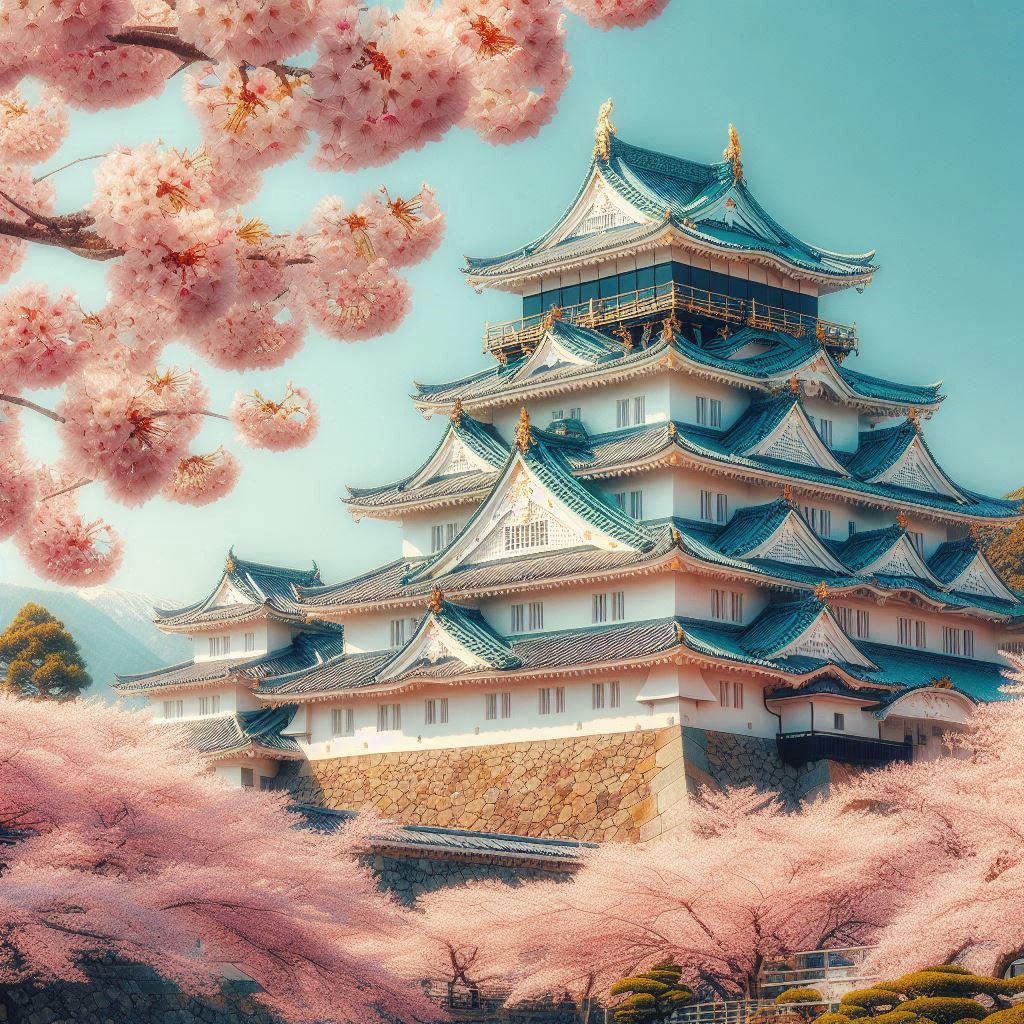
Château de Wakayama : Construit initialement en 1585, le château actuel de Wakayama a été reconstruit en 1958. Son donjon principal, à l'architecture unique, offre une beauté différente selon l'angle de vue. À l'intérieur, on peut admirer de nombreuses expositions d'armures de samouraï, d'armes et autres objets. Le parc environnant comprend également un jardin japonais, une maison de thé et même un zoo, offrant ainsi une multitude d'activités et de loisirs.
Temple Kimiidera : Ce temple historique, situé sur le mont Nagusa, aurait été, selon la légende, gouverné par une reine mythique dans l'Antiquité. Avec une histoire de plus de 1 200 ans, le site du temple abrite de nombreux édifices précieux et est également réputé pour sa statue de Bouddha dorée de 12 mètres de haut. La vue sur la baie de Wakaura y est véritablement exceptionnelle.
Saikazaki : Ce pittoresque village portuaire, connu pour ses paysages d'une beauté unique, est célébré depuis l'Antiquité – il est même mentionné dans la poésie japonaise il y a plus de mille ans. En arrivant dans le village, vous découvrirez des aires de lavage devant les maisons et d'anciens puits autrefois utilisés, offrant un aperçu nostalgique de la vie et de la culture traditionnelles d'une communauté de pêcheurs.
Kuroe : Connue comme l'une des trois principales régions de production de laque au Japon, cette région peut se targuer d'une histoire de plus de 400 ans. Dans des maisons japonaises traditionnelles, les visiteurs peuvent acheter de la laque finement travaillée et raffinée, fabriquée selon des techniques ancestrales, et déguster des mets et des boissons. Les bâtiments, qui servaient autrefois de brasseries de saké, offrent également la possibilité de déguster et d'acheter du saké local.
De plus, régalez vos papilles avec une cuisine locale exquise, dénichez des souvenirs uniques dans des boutiques pittoresques et découvrez l'essence de Wakayama à travers diverses activités passionnantes.